
On the record about Election Day 2026 with Kathy Wylde
Checking in with the former president and CEO of the nonprofit Partnership for New York on what races might expect government interference and other concerns.
By Ralph R. Ortega
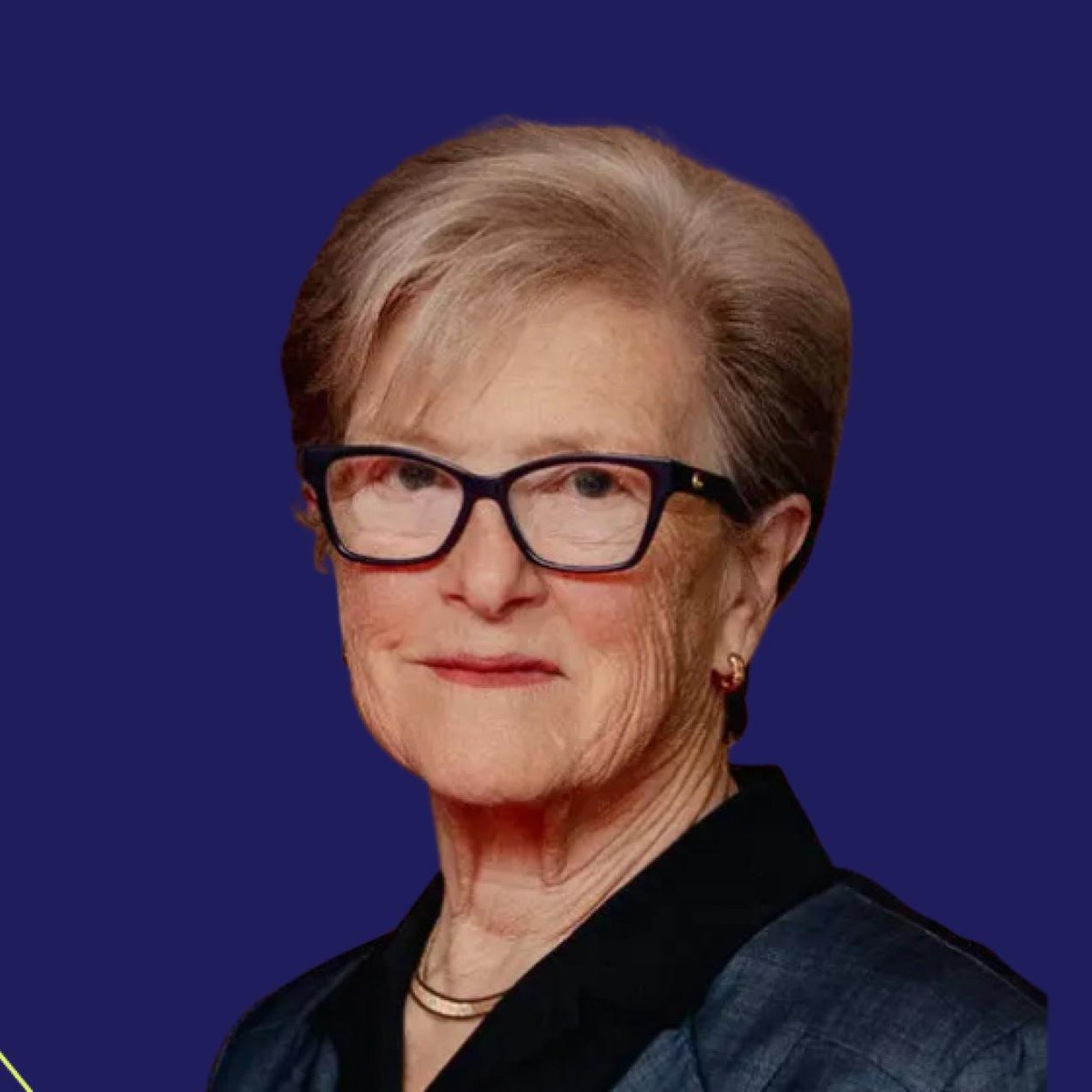
Kathy Wylde hasn’t slowed down since she retired from the Partnership for New York in January. The former president and CEO who spent 25 years at the nonprofit business advocacy group. Since leaving the Partnership, Wylde has been busy serving as an advisor to the Washington D.C. government affairs and public relations firm Invariant, all while serving on several boards and advisory groups, including the New York City Economic Development Corporation, the Fund for Public Schools, the Manhattan Institute, Sponsors for Educational Opportunity, and the Governor's NYC Regional Economic Development Council.
She’s also served as a policy advisor to Mayor Zohran Mamdani.
I personally am proud to mention that she’s appeared on a number of “power lists,” including in City & State’s 2018 Manhattan Power 50, where she ranked no. 3. Preceding her was Mayor Mike Bloomberg at no. 1 and Stephen Ross, the chairman of Related Cos., at no. 2. That was under the leadership of former Editor-in-Chief Jon Lentz, my predecessor at the political magazine.
Wylde agreed to do a check-in before Election Day. Nonprofits and the business community have braced for the possibility of government interference – concerns that Wylde addresses in the following interview.
As Election Day approaches, what forms of government interference should New Yorkers be most alert to — at the polls, in vote counting, or in how results are communicated?
In New York, the only place we seem likely to see federal interference are the Congressional districts with Red to Blue contests and possibly the Attorney General race where the President has a personal ax to grind with Tish James. That could range from sending ICE agents to the polls to intimidate immigrant voters to collusion with local election officials over contested ballots.
I don’t see the federal government getting involved in the gubernatorial race or most Congressional and local elections in New York, where there will be tremendous push back in contrast to the reception they may receive in Red states.
Which threats to the vote and to the results do you see as most credible, and which worries do you think are more noise than real risk?
The biggest threat I see is the disqualification or intimidation of immigrant voters, especially given the large early voter turnout among Hispanics and Blacks in traditionally red states.
What can be done, before Election Day and on the day itself, to protect the vote and ensure results are counted and certified?
Hopefully the media attention and the early actions of the courts in support of free and fair elections will be effective in limiting interference in the elections. There will be a lot of volunteers watching the polls, and there should also be law enforcement at the polls in districts that are heavily immigrant voters, to avoid intimidation.
To the extent proper certification of elections becomes an issue. all sectors -- including business leaders -- should be prepared to speak up and challenge efforts to undermine the electoral process, as was the case in 2020 when there was a push to stop the Senate from certifying the presidential electoral college vote.
Have you engaged the business community on protecting elections -- and why do you see this as a business issue, not just a political one?
Political instability that stems from loss of public confidence in government and the rule of law in this country would be a major threat to American business and the economy. I believe business leaders will not stand by silently if there is broad-based federal interference in the elections that is not expeditiously handled by the courts. Obviously, business leaders do not generally take partisan political positions and there is so far a “wait, watch, and see” attitude toward the midterms.”
My advice to business leaders is to carefully watch developments and be prepared to respond collectively if a major national threat to democracy emerges.
What should business and civic leaders do practically -- for their employees, their customers, and in public -- if results are delayed, contested, or surrounded by misinformation on election night?
Employers should make sure their eligible employees vote and to offer support in the event they run into obstacles at the polls. Most problems will probably emerge after the elections and I don’t think anyone can predict how that will go, but business should be prepared to take a stand if there are significant national disruptions and attempts at electoral fraud.
Looking at Tuesday night, what will you be watching as a sign that the process is holding up, and what would worry you most?
It will be reassuring on election night if the polls close with limited interference by ICE or other federal authorities and local election officials are able to do their job. If substantial numbers of voters are turned away or their votes are contested as a result of what appears to be a federal/partisan strategy to impact outcomes, that should be of great concern and certainly represents the most serious threat to our democracy that this country has seen. Hopefully, that will not be the case.
About Ralph R. Ortega
Ralph has been a reporter and editor for several major newspapers and magazines for more than 30 years, and is now vice president of public affairs at O’Donnell & Associates.
Most recently, he was the editor-in-chief of the award-winning City & State NY magazine. At City & State, Ralph managed a team of talented journalists covering the downfall of former New York Gov. Andrew Cuomo, the ascent of current Gov. Kathy Hochul, New York City Mayor Eric Adams’ election campaign and later his administration, as well as the election of Mayor Zohran Mamdani. In his role, Ralph became a well-known player in New York’s political world, emceeing, moderating, and conducting interviews at City & State events. He also wrote a weekly column that focused on policy, transportation, and advocated for greater Latino representation at City Hall and in city government. Read Ralph’s full bio and contact information.