
From Medicaid to mental health: How New York’s healthcare providers are navigating the FY27 squeeze
With federal funding cuts phasing in, healthcare organizations across the state are bracing for a budget cycle that gets harder in January.
By Ralph R. Ortega
The AIDS Healthcare Foundation and AIDS Center for Queens County officially opened a new HIV and wellness services center in Far Rockaway, a medically underserved beach community in Queens, New York, last week. Despite the great fanfare of the ribbon-cutting ceremony on Thursday, the leaders of the nonprofit partners were braced for the hard realities to come from Washington’s “One Big Beautiful Bill Act.”
“We’re very concerned that we’re going to get 50% cut on Medicaid,” said ACQC Executive Director Rosemary Lopez at the ribbon-cutting ceremony for the new facility. “All I can say is people really need to get out the vote, and they need to vote right, because a lot of the programs could be cut come January, depending on who gets into political power. It’s very concerning.”
Nonprofits like the AHF and ACQC are anticipating funding shortages going into the state’s FY27 budget cycle. The spending plan passed in May after a nearly two-month delay, projected the state’s share of Medicaid spending at $40 billion, up 16.2% with $15.4 billion in federal healthcare cuts now about to phase in. Revenue from the Managed Care Organization, or MCO, provider tax, which supports Medicaid revenue, is set to expire on Dec. 31, followed by Medicaid work requirements that start in 2027.
Needy families and individuals are expected to face administrative hurdles seeking exemptions to the federal work requirements, all while trying to stay in compliance. The Child Poverty Reduction Advisory Council in its 2025 Progress Report predicts that nearly 1.3 million New Yorkers will lose Medicaid coverage because of the requirements. Among the casualties of the federal cuts will be New York’s $7.5 billion Essential Plan, which covers 1.7 million low- and middle-income residents and now is likely to be rolled back.
The federal cuts are expected to leave providers facing an estimated $3 billion a year in uncompensated care. New York hospitals and health systems face cuts of $8 billion a year, which may result in cuts to critical services, according to the CPRAC progress report.
All totaled up, the federal cuts will “represent a nearly $13 billion hit to New York state and the state’s healthcare system which, according to research commissioned by Robin Hood in the CPRAC report, will only serve to increase child poverty and undermine the progress the state is making reducing child poverty.”
Health care organizations that were counting on the state’s support are now focused more on what happens in January. Once the budget cycle begins in Albany, lawmakers will have to decide whether to backfill the federal money or start cutting back on spending.
Dr. Ellen Grant, former Erie County mental health commissioner and CEO of Niagara Falls Memorial Medical Center, said healthcare providers and organizations across the state are facing hard decisions because of the federal funding cuts.
“The cuts that have happened at the national level in all areas of health, from infant development to senior care. I think those cuts are going to have a tremendously negative impact on how organizations are able to continue to maintain the current level of services that they have right now,” said Grant, now senior advisor for healthcare at O’Donnell & Associates, in an interview with OD&A’s On the Record earlier this month.

Grant said she anticipates the cuts will force some healthcare organizations to reorganize, having to pick and choose the services they can maintain. Staffing levels also will be impacted.
“It’s going to be tough times,” Grant said. “People are dealing with Medicaid cuts right now, and we know that’s going to be very real: people are going to be figuratively thrown off the rolls for various reasons, which may not all be legitimate. I’m very concerned about how we’re going to maintain services.”
A “treading water” reality is coming for many healthcare organizations, Grant said.
State Sen. Gustavo Rivera, who represents New York’s 33rd State Senate District, which includes the South and Central Bronx neighborhoods of Kingsbridge Heights, Fordham, Belmont and Van Nest, and who is chair of the Senate Health Committee, shared similar concerns. Rivera, however, also was critical of the state’s approach to healthcare.
“I’ve certainly believed that our health care system has been in crisis mode for the last couple of years,” he told OD&A’s On the Record in an interview earlier this month.
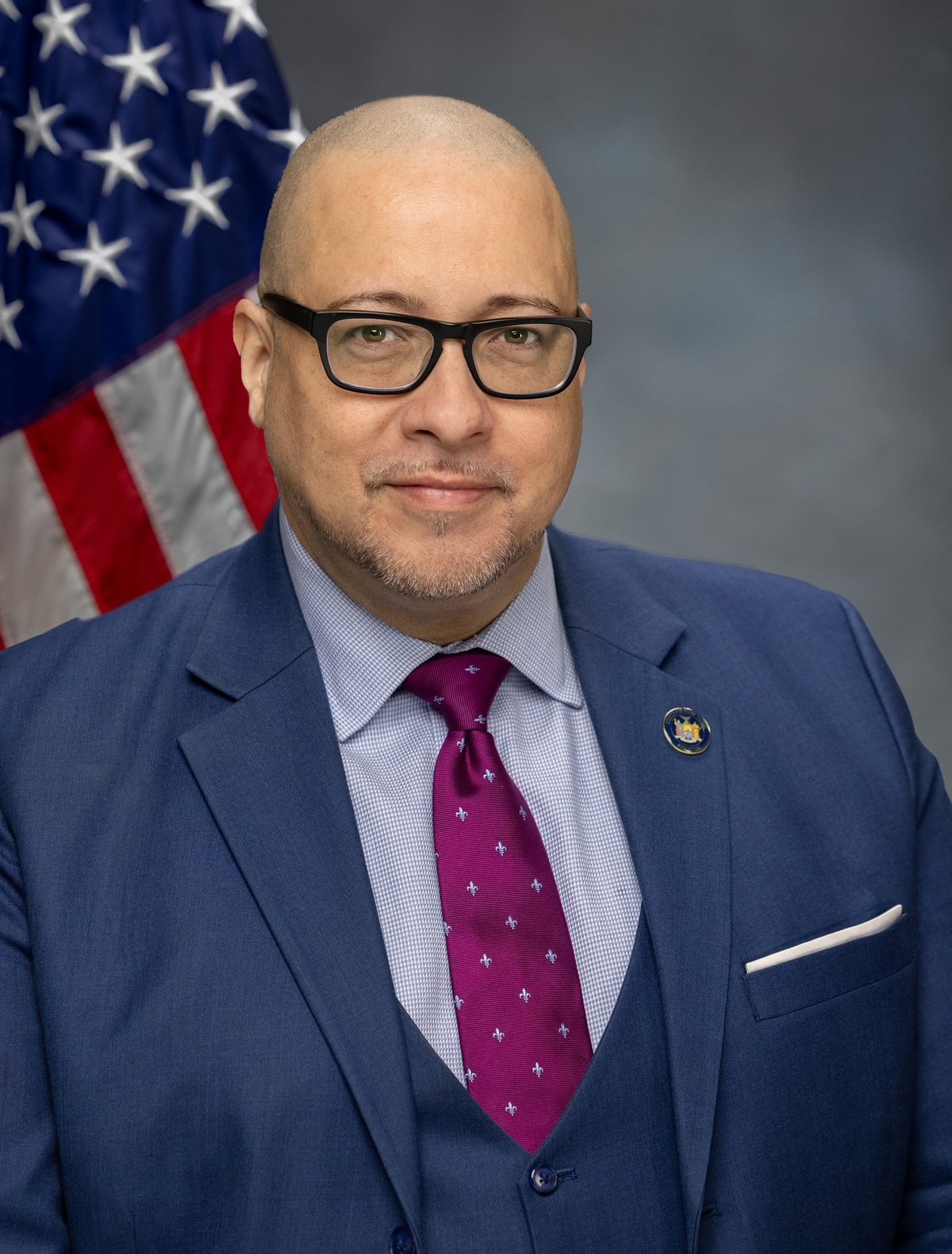
The state historically has been short-sighted in its approach to healthcare, according to Rivera. “Unfortunately, whenever we have budget conversations in the state of New York, it’s strictly about the ‘right now.’ It is unfortunate that we have barely ever had a long-term conversation, thinking about how things are going to happen two, three, four, five years from now.”
“What I believe are investments that need to be made, to stabilize a system that is barely holding on, have not been made,” he added.
He gave the soon-to-expire MCO tax as an example of the state’s dependence on short-term solutions to the healthcare needs of New York’s neediest individuals and families.
“We don’t really need to go into the technical parts of it,” he explained. “What you need to know is that it was a one-time thing that we were able to secure from the federal government to give us a little bit more revenue for this past budget year. But that’s not going to be there next year. The federal government already told us as much.”
A more specific healthcare crisis lies in how the state addresses youth mental health, state Sen. Samra Brouk, who represents New York’s 55th District, covering Rochester and its eastern suburbs, and serves as chair of the Senate Mental Health Committee, told OD&A’s On the Record in an interview earlier this month.
“Mental health is still a crisis in New York state and especially for our young people. Over the years, as I’ve dug into our youth mental health needs, one area of particular concern in my Rochester community – and honestly, across the state – is how we are caring for young people with complex needs,” she said. “Are we getting them the early intervention and person-centered care they need?”
While most of the conversations in Albany going into FY2027 have focused on hospitals and Medicaid spending, Brouk insisted that behavioral health and community-based services remain central to those discussions.
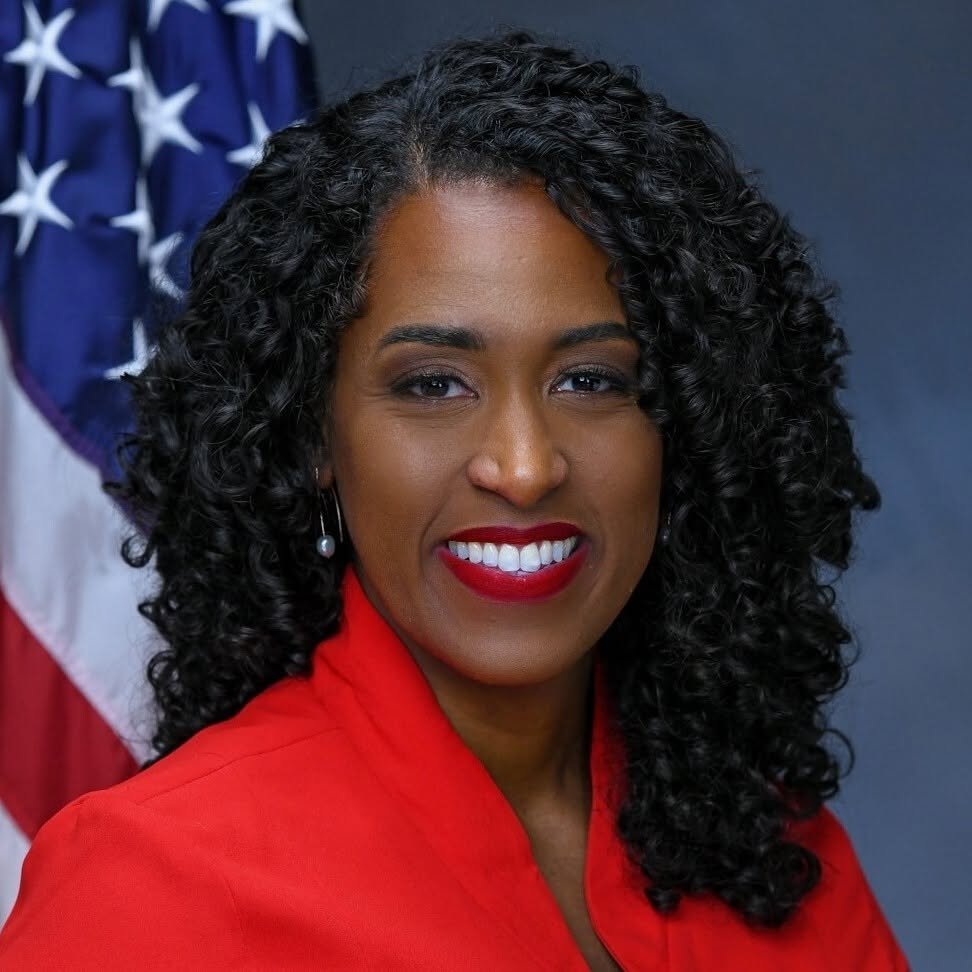
“Did you know that one in five pregnant and postpartum women experience a mental health problem, making this the most common complication of pregnancy and childbirth,” she said in an interview with O’Donnell & Associates earlier this month. “There is no reason in this country that the conversation about health should stop at the neck. What goes on in our heads is an essential component of our overall health.”
As Albany works on solutions to expected rollbacks from the federal cuts, healthcare providers and organizations across the state are doubling down on their commitment to serving patients.
“At Oak Orchard Health, we see firsthand how important access to affordable, quality healthcare is for the individuals and families we serve. When patients lose Medicaid coverage, the consequences can be significant, creating uncertainty, delaying necessary care, and placing additional strain on families and community health centers like ours,” Oak Orchard Health President and CEO Marco Altieri said in a statement to OD&A’s On the Record. The nonprofit Federally Qualified Health Center system provides integrated primary and preventive healthcare in Western New York.
Going into FY2027, and with impact of the federal cuts, Altieri said Oak Orchard was “eager to work collaboratively” with Gov. Kathy Hochul, her administration, and the Legislature, “to find thoughtful, practical solutions that protect access to care and strengthen our healthcare safety net.”
“We recognize the challenges facing New York’s healthcare system,” he said, “and believe that, by working together, we can ensure that our most vulnerable neighbors continue to receive the care they need and deserve.”
About Ralph R. Ortega
Ralph has been a reporter and editor for several major newspapers and magazines for more than 30 years, and is now vice president of public affairs at O’Donnell & Associates.
Most recently, he was the editor-in-chief of the award-winning City & State NY magazine. At City & State, Ralph managed a team of talented journalists covering the downfall of former New York Gov. Andrew Cuomo, the ascent of current Gov. Kathy Hochul, New York City Mayor Eric Adams’ election campaign and later his administration, as well as the election of Mayor Zohran Mamdani. In his role, Ralph became a well-known player in New York’s political world, emceeing, moderating, and conducting interviews at City & State events. He also wrote a weekly column that focused on policy, transportation, and advocated for greater Latino representation at City Hall and in city government. Read Ralph’s full bio and contact information.